What Is Trauma-Informed Osteopathy? And Why It Matters
Healing is not just about what happens to the body; it’s about how the body feels during care.
Many people seek treatment for pain, tension, fatigue, or stress, but carry experiences that make touch, pressure, or loss of control feel unsafe. These experiences may be obvious or subtle, recent or long past. Sometimes they are remembered clearly. Other times, the body remembers even when the mind does not.
This is where trauma-informed osteopathy matters.
Trauma-informed care recognises that the body and nervous system respond to experiences differently and that true healing can only happen when a person feels emotionally safe, respected, and in control throughout treatment.
Understanding Trauma in the Body
Trauma doesn’t only come from major life events. It can also stem from:
- Medical procedures
- Accidents or injuries
- Chronic pain
- Emotional stress
- Prolonged pressure or overwhelm
- Feeling unheard, rushed, or unsafe
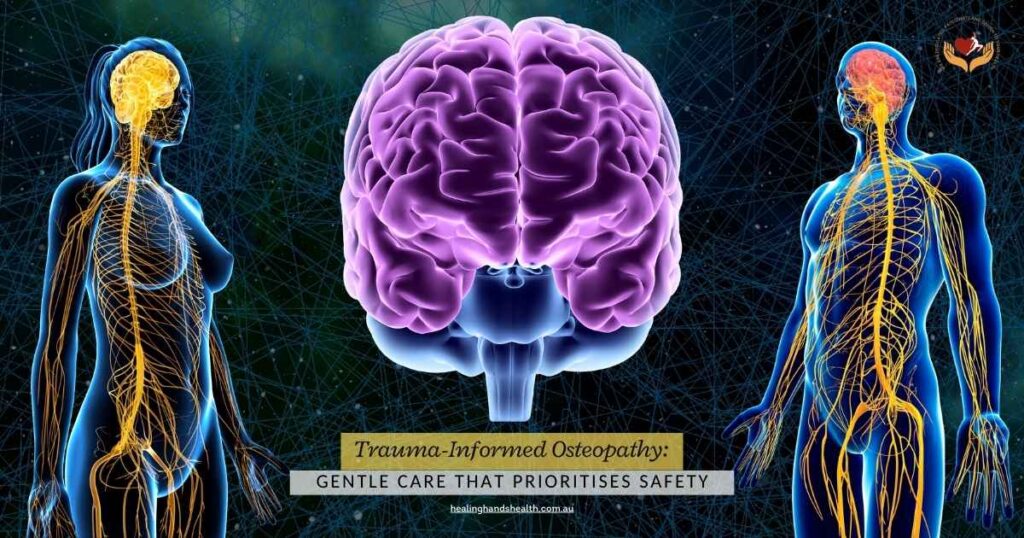
Trauma lives in the nervous system, not just in memory.
When triggered, the body may respond with tension, shallow breathing, shutdown, anxiety, or pain; even when there is no present danger.
Trauma-informed osteopathy works with this understanding rather than against it.
What Does “Trauma-Informed” Really Mean?
Trauma-informed care is not about analysing trauma or asking patients to relive difficult experiences.
It’s about how treatment is delivered.
At its core, trauma-informed osteopathy prioritises:
- Emotional safety
- Choice and consent
- Clear communication
- Gentle pacing
- Respect for personal boundaries
- Awareness of nervous system responses
It means recognising that everybody has a story, and that healing should never feel forced.
Why Emotional Safety Is Essential for Healing
The nervous system is constantly scanning for safety or threat.
If the body perceives danger; even subtly it tightens, guards, and resists.
When a person feels safe:
- Muscles soften
- Breathing deepens
- Pain sensitivity reduces
- The body becomes receptive to change
Without safety, even the most skilled physical treatment may have limited effect.
Trauma-informed osteopathy creates the conditions where the body feels safe enough to heal.
How Trauma-Informed Osteopathy Looks in Practice
A trauma-informed session may feel different from traditional hands-on care and that’s intentional.
Clear Communication
We explain what we’re doing and why, and we check in throughout treatment. Nothing is done without understanding or consent.
Choice & Control
You are always in control. You can pause, adjust, or stop at any time. Treatment adapts to you; not the other way around.
Gentle, Responsive Touch
Techniques are adjusted based on how your body responds, not on a fixed protocol.
Attention to Breathing & Nervous System Signals
We notice subtle signs of tension, holding, or overwhelm and respond accordingly.
No Forcing, No Pushing
Healing happens through listening, not pressure.
This approach is especially supportive for people who feel sensitive to touch, become overwhelmed easily, or have struggled with previous healthcare experiences.
Who Can Benefit from Trauma-Informed Osteopathy?
Trauma-informed care supports a wide range of people, including those who:
- Feel anxious during treatment
- Have a history of medical or emotional trauma
- Experience chronic pain or fatigue
- Feel disconnected from their body
- Have heightened sensitivity or nervous system overload
- Struggle to relax during hands-on care
- Want a gentler, more respectful approach
You don’t need to label your experience as “trauma” to benefit from this way of working.
The Role of Nervous System Regulation
Much of trauma-informed osteopathy focuses on helping the nervous system shift from protection mode to repair mode.
This includes:
- Supporting the diaphragm and breath
- Reducing chronic muscle guarding
- Encouraging gentle movement and circulation
- Creating moments of calm and grounding
When the nervous system settles, the body remembers how to heal.
Our Commitment to Trauma-Informed Care
At Healing Hands Healthcare, we believe healing should feel supportive; not overwhelming.
Our approach respects:
- Your boundaries
- Your pace
- Your lived experience
- Your need for safety and trust
We meet you where you are, without judgement or expectation.
Trauma-informed osteopathy is not about doing more.
It’s about doing what’s right; gently, respectfully, and safely.
Final Thoughts
Healing does not require pushing through discomfort.
It requires feeling safe enough to soften.
Trauma-informed osteopathy honours the connection between body, mind, and nervous system allowing healing to unfold in a way that feels supportive, empowering, and deeply human.
Book Your Appointment
We provide trauma-informed osteopathy at our Kalkallo and Wollert clinics, offering respectful, patient-centred care in a calm and supportive environment.
Book an appointment today and experience osteopathy that listens to your body and to you.