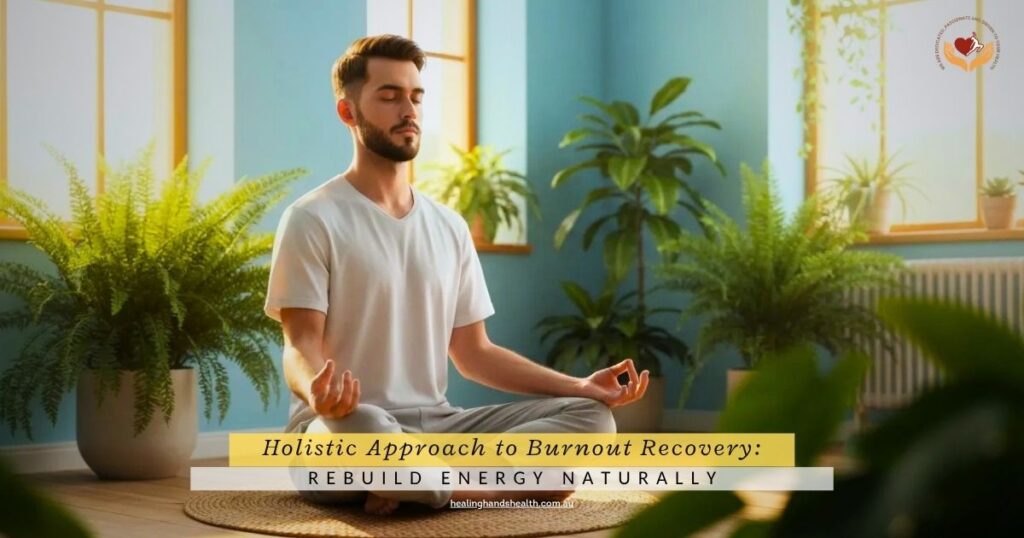
Chronic Fatigue & Burnout: A Holistic Approach to Rebuilding Energy
Supporting the Nervous System, Restoring Recovery & Gently Rebuilding Strength
Fatigue is more than simply feeling tired.
For many people, chronic fatigue and burnout feel deeper – like the body and mind no longer have the reserve they once did. Even after rest, energy may still feel low. Tasks that once felt manageable can become overwhelming.
Burnout can affect:
- Physical energy
- Emotional resilience
- Concentration and motivation
- Sleep quality
- Muscle tension and pain
At Healing Hands Healthcare, we often see people who have been “pushing through” for a long time before seeking support.
What Is Burnout?
Burnout is a state of physical, emotional, and mental exhaustion caused by prolonged stress or overwhelm.
It does not always come from work alone.
Burnout may be influenced by:
- Ongoing stress or pressure
- Caregiving responsibilities
- Emotional load
- Poor sleep patterns
- Chronic pain or illness
- Lack of recovery time
Over time, the nervous system can remain stuck in a state of overdrive, making true rest feel difficult.
Why Rest Alone Sometimes Isn’t Enough
Many people assume burnout improves simply by sleeping more or taking time off.
While rest is important, burnout often involves deeper nervous system dysregulation.
When the body has been in stress mode for a long time:
- Muscles stay tense
- Stress hormones remain elevated
- Sleep becomes less restorative
- Energy production feels inefficient
The body may feel exhausted while the nervous system still struggles to switch off.
This is why recovery often requires more than just rest – it requires regulation.
The Role of the Nervous System
The nervous system controls how the body responds to stress and recovery.
In prolonged stress states, the body prioritises survival rather than repair.
This can lead to:
- Persistent fatigue
- Difficulty relaxing
- Increased pain sensitivity
- Digestive changes
- Brain fog
- Sleep disruption
Supporting the nervous system helps the body move out of protection mode and back into restoration mode.
How Gentle Movement Supports Recovery
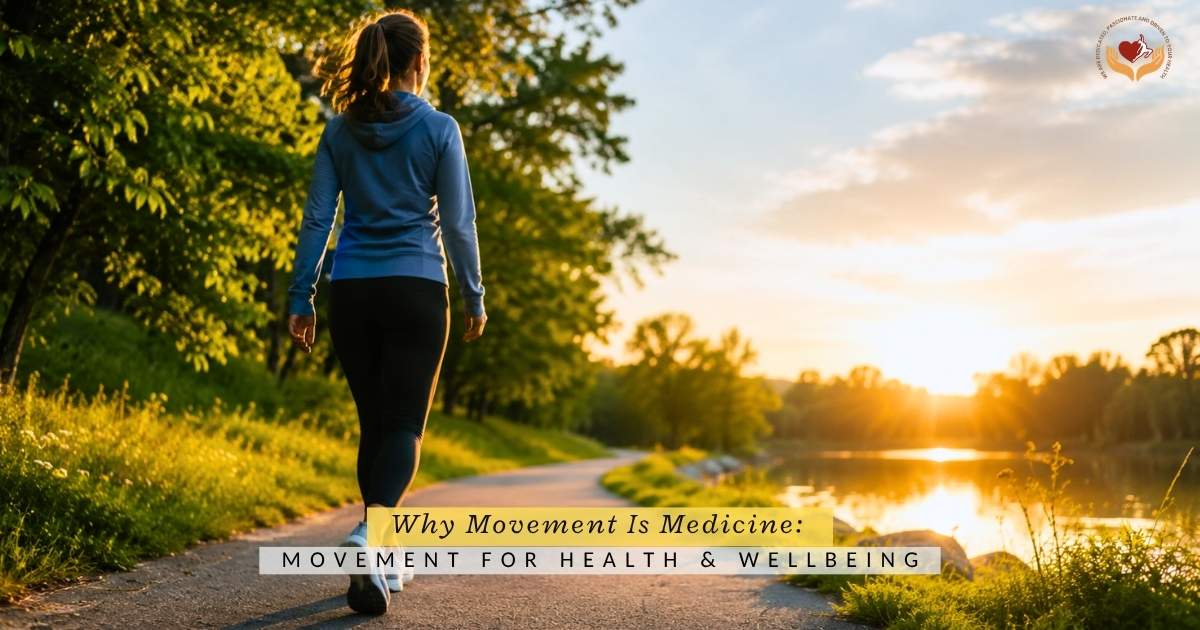
When energy is low, exercise can feel overwhelming.
However, complete inactivity may increase stiffness, reduce circulation, and worsen fatigue over time.
The key is gentle, manageable movement.
This may include:
- Walking
- Stretching
- Breathing exercises
- Light mobility work
Gentle movement helps:
- Improve circulation
- Reduce muscle tension
- Support nervous system regulation
- Gradually rebuild energy capacity
Recovery is not about pushing harder – it’s about pacing wisely.
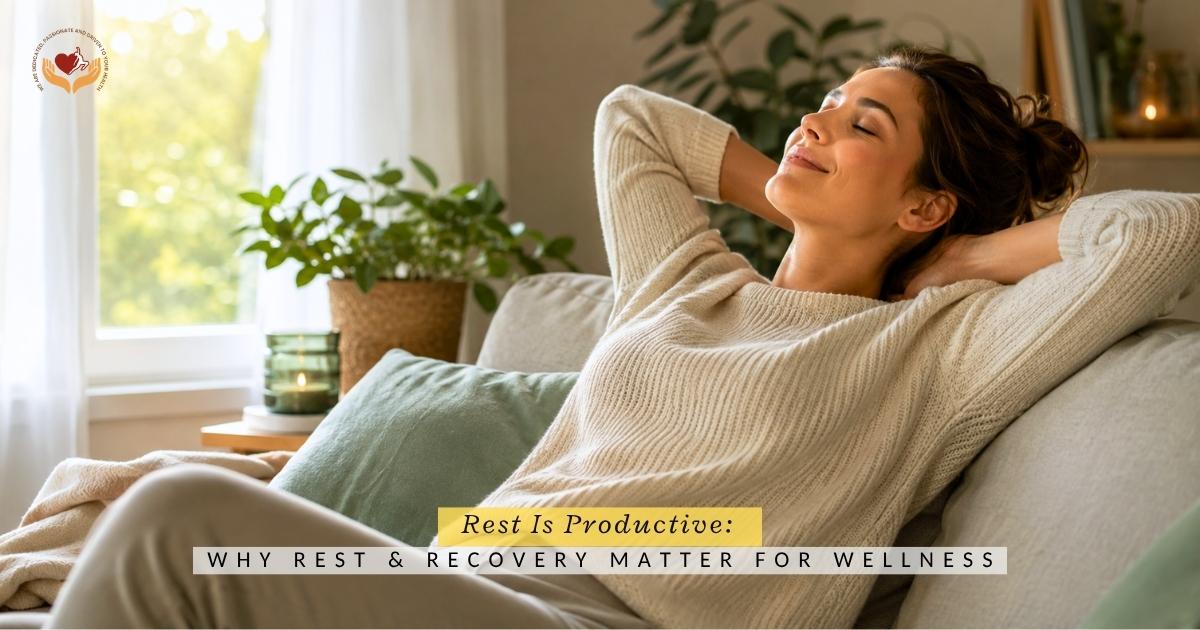
Restoring Healthy Rest Patterns
Burnout often disrupts the body’s natural rhythm of activity and recovery.
People may feel:
- Tired during the day
- Alert late at night
- Unable to fully relax
Rebuilding healthy rest patterns involves consistency and nervous system support.
Helpful practices may include:
- Reducing screen stimulation before bed
- Creating calm evening routines
- Taking regular pauses during the day
- Slowing breathing patterns
- Spending time outdoors or in natural light
Small changes repeated consistently can help restore balance over time.
The Connection Between Stress and Physical Symptoms
Burnout does not only affect energy; it often affects the body physically.
Common physical symptoms include:
- Neck and shoulder tension
- Headaches
- Lower back pain
- Jaw clenching
- Digestive discomfort
Stress changes how muscles, breathing, and the nervous system function.
This is why many people with burnout experience physical pain alongside exhaustion.
How Osteopathy Supports Burnout Recovery
At Healing Hands Healthcare, we take a whole-body approach to fatigue and burnout recovery.
Treatment may focus on:
- Releasing muscle tension
- Improving breathing and diaphragm movement
- Supporting circulation and mobility
- Calming the nervous system
- Encouraging gentle movement patterns
Care is always adapted to your energy levels and comfort.
The aim is not to push the body harder but to help it recover safely and sustainably.
Why Healing Takes Time
Burnout recovery is rarely immediate.
The body often needs time to:
- Restore energy reserves
- Rebuild resilience
- Re-establish healthy rhythms
- Learn safety again
Progress may happen gradually:
- Better sleep
- More stable energy
- Reduced tension
- Improved concentration
- Greater emotional capacity
These small shifts are meaningful signs of healing.
Final Thoughts
Chronic fatigue and burnout are not signs of weakness.
They are signs that the body has been carrying too much for too long.
Healing begins not through pressure, but through support; for the nervous system, the body, and the rhythms of rest and recovery.
With gentle, consistent care, energy can return.
Book Your Appointment
If you’re feeling exhausted, overwhelmed, or physically depleted, we’re here to support your recovery with gentle, whole-person care.
At Healing Hands Healthcare, we support burnout and fatigue recovery at our Kalkallo and Wollert clinics, helping patients restore energy through gentle, nervous-system-focused care.
Book an appointment today and take the first step toward rebuilding your energy and wellbeing.