
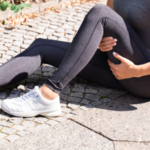
What are the common causes of hamstring tightness and strain?
Our hamstrings can quickly lose flexibility as we age, which makes the muscles tighter and more prone to injury. This is exacerbated when we sit for extended periods (e.g. at a desk) without taking regular breaks.
Having tight hamstrings can make you more susceptible to a strain when running or playing sports, especially if you skip the warm up before you start.
Activities that involve starting and stopping often, and sudden movements such as running, sprinting, and jumping (e.g. tennis, basketball, and football) lead to overloading of the hamstring. When the hamstring is overloaded and the muscles tear, this is known as a strain. Ramping up a fitness or running program too quickly will also increase your risk of hamstring strain.
What are the symptoms of a strained hamstring?
Hamstring injuries are graded as mild (a minor strain), moderate (a partial muscle tear), or severe (a complete muscle tear).
Common symptoms of a hamstring strain, include:
- Pain in the back of thigh and glutes when walking or bending over.
- Tender, bruised or swollen muscles.
- Sudden pain or ‘popping’ during exercise.
- With a severe tear, you will not be able to walk or stand on the affected leg.
How to treat a hamstring injury
Recovery time varies according to how severely the hamstring is strained. You should recover from a mild strain in a few days, while a moderate to severe strain may take weeks or months to heal.
For the first 2 – 3 days, follow the standard first aid protocols for muscle injuries. RICER is a common protocol to follow (there are other similar protocols):
- Rest your leg as much as possible.
- Ice therapy (apply ice packs for 20 minutes every two hours for the first 24 hours).
- Compress the injured leg using tape/bandage wrapped firmly around the thigh to minimise swelling.
- Elevate the leg using a pillow for support, as much as possible.
- Refer – if you are unable to walk, you should seek medical attention to determine if medical imaging is required.
Most importantly, book an appointment with your osteopath to make sure your recovery time is minimised.