Knee Pain: Not Just About the Knee
How Your Hips, Feet, Posture & Movement Patterns May Be Contributing to Chronic Knee Pain
Knee pain is one of the most common reasons people seek treatment.
Whether it’s discomfort when walking, pain going up and down stairs, stiffness after sitting, or aching during exercise, knee problems can have a significant impact on daily life.
When the knee hurts, it’s natural to focus on the knee itself.
But what if the real source of the problem lies elsewhere?
At Healing Hands Healthcare, we often find that chronic knee pain is influenced by factors above and below the knee – including the hips, feet, posture, and the way the body moves as a whole.
Understanding these connections is often the key to achieving longer-lasting relief.
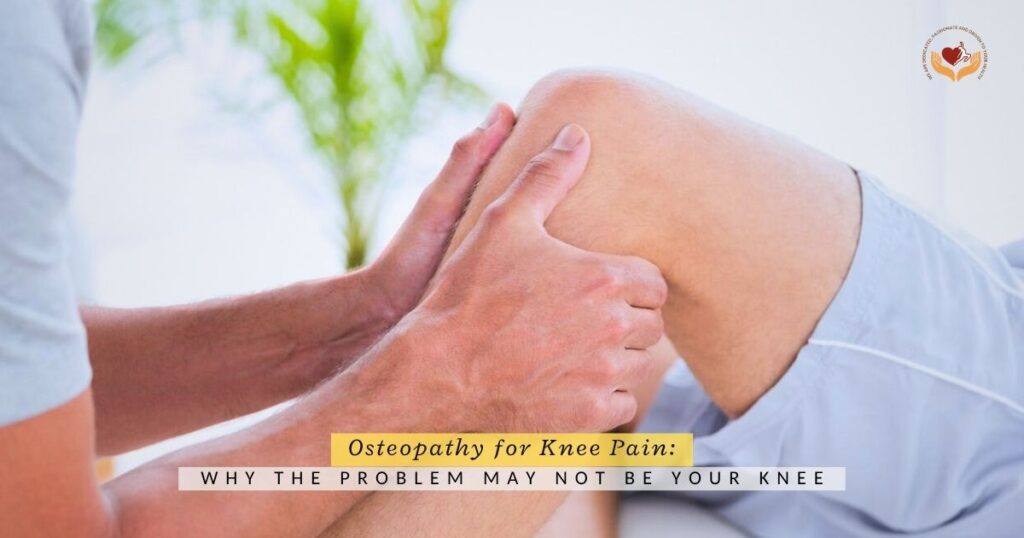
Why Knee Pain Isn’t Always a Knee Problem
The knee sits between two important areas of the body:
- The hips above
- The feet and ankles below
Every step you take requires these regions to work together efficiently.
When movement is restricted or imbalanced in one area, the knee often absorbs extra stress.
This is why some people continue to experience knee pain even when scans show only minor changes.
The body functions as an interconnected system, not as isolated parts.
The Important Role of the Hips
The hips help control how the legs move during walking, running, standing, and climbing stairs.
When the hip muscles become weak, tight, or poorly coordinated, the knee may compensate.
This can increase stress through:
- The kneecap
- Ligaments
- Tendons
- Supporting muscles around the knee
Common signs of hip involvement include:
- Knee pain when climbing stairs
- Discomfort during exercise
- Pain that worsens after prolonged activity
- Poor balance or stability
Supporting hip strength and mobility is often an important part of knee rehabilitation.
How Your Feet Affect Your Knees
The feet provide the foundation for the entire body.
Every step creates forces that travel upward through:
- The ankles
- The knees
- The hips
- The spine
If the feet roll inward excessively, remain overly rigid, or do not absorb force efficiently, the knee may experience additional strain.
Foot mechanics can influence:
- Knee alignment
- Weight distribution
- Walking patterns
- Joint loading
This is why assessing the feet and ankles is an important part of understanding chronic knee pain.
Posture and Weight-Bearing Patterns Matter
Many people think of posture only when sitting or standing still.
However, posture also includes how you carry your body throughout the day.
For example:
- Standing with more weight on one leg
- Leaning into one hip
- Uneven walking patterns
- Favouring one side after a previous injury
Over time, these habits can place extra load on one knee.
Often, these compensations develop gradually and become unconscious.
A whole-body assessment helps identify these patterns.
The Impact of Previous Injuries
Sometimes knee pain develops long after an earlier injury.
For example:
- An ankle sprain
- A hip injury
- Lower back pain
- Previous surgery
Even after symptoms improve, the body may continue moving differently to protect the area.
These compensation patterns can eventually place additional strain on the knee.
Looking at injury history is therefore an important part of treatment.
How Osteopathy Helps Chronic Knee Pain
Osteopathy takes a whole-body approach to understanding knee pain.
Rather than focusing only on where the pain is felt, we assess:
- Hip mobility and strength
- Foot and ankle mechanics
- Walking patterns
- Posture and movement habits
- Muscle tension and joint function
Treatment may include:
- Gentle joint mobilisation
- Soft tissue techniques
- Improving movement patterns
- Postural advice
- Mobility and strengthening guidance
The goal is to reduce unnecessary strain on the knee and improve how the entire body works together.
Movement Is Part of the Solution
When pain persists, many people become hesitant to move.
While rest may help during acute flare-ups, long-term recovery usually involves appropriate movement.
Movement helps:
- Improve circulation
- Maintain joint mobility
- Strengthen supporting muscles
- Improve confidence in the body
The key is finding the right type and amount of movement for your individual situation.
When Should You Seek Help?
You may benefit from osteopathic assessment if you experience:
- Persistent knee pain
- Pain during walking or exercise
- Stiffness after sitting
- Recurring knee discomfort despite previous treatment
- Knee pain without a clear injury
The earlier contributing factors are identified, the easier they are often to address.
Why a Whole-Body Approach Creates Better Outcomes
Many chronic knee problems are not caused by one single structure.
They are often influenced by:
- Hip function
- Foot mechanics
- Movement habits
- Posture
- Previous injuries
By addressing these factors together, treatment becomes more comprehensive and sustainable.
This approach supports not only symptom relief but also long-term resilience.
Final Thoughts
Knee pain is not always just about the knee.
The way your hips move, your feet absorb force, and your body distributes weight all influence how much stress the knee experiences.
When these connections are understood and addressed, recovery often becomes more effective and longer lasting.
Your knee may be where the pain is – but it isn’t always where the problem begins.
Book Your Appointment
If you’re experiencing ongoing knee pain, our team is here to help you understand the bigger picture.
At Healing Hands Healthcare, we provide personalised osteopathy for knee pain at our Kalkallo and Wollert clinics, helping patients uncover the underlying causes of chronic knee discomfort and move more freely.
Book an appointment today and discover how a whole-body osteopathic approach can help you move with greater comfort, confidence, and ease.