Managing TMJ & Jaw Tension: The Silent Cause of Headaches and Stress
Understanding Jaw Pain, Clenching & the Hidden Connection to Headaches, Neck Tension and Stress
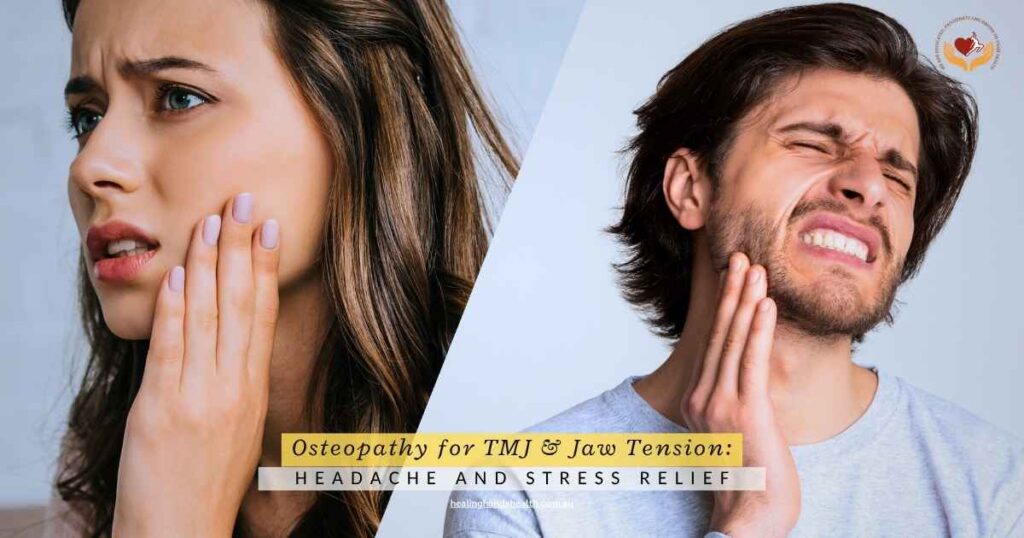
Many people live with jaw tension without even realising it.
It might show up as a tight jaw when you wake up in the morning. A clicking sound when you chew. Frequent headaches that seem to come out of nowhere. Or persistent tension through the face, neck, and shoulders.
Because these symptoms often develop gradually, they can be easy to overlook.
At Healing Hands Healthcare, we frequently see patients experiencing headaches, neck pain, or facial tension where the underlying contributor is the jaw.
This blog explores the connection between TMJ dysfunction, jaw tension, headaches, and stress, and how a gentle, whole-body approach can help.
What Is TMJ?
TMJ stands for the temporomandibular joint – the joint that connects your jaw to your skull.
This joint works constantly throughout the day when you:
- Talk
- Eat
- Swallow
- Yawn
- Express emotion
Because it is used so frequently, even small imbalances can create significant discomfort.
When the TMJ is not moving well, people may experience:
- Jaw pain or tightness
- Clicking or popping sounds
- Difficulty opening the mouth fully
- Facial tension
- Ear discomfort
- Headaches
This collection of symptoms is often referred to as TMJ dysfunction.
The Hidden Link Between Jaw Tension and Headaches
One of the most common but overlooked causes of headaches is jaw tension.
The muscles that control the jaw are closely connected to:
- The temples
- The sides of the head
- The neck
- The upper shoulders
When these muscles become overworked, they can create:
- Tension headaches
- Pain around the temples
- Pressure behind the eyes
- Headaches that worsen throughout the day
Many people treat the headache itself without realising the jaw may be contributing to the problem.
Why Stress Often Shows Up in the Jaw
The jaw is one of the body’s most common holding places for stress.
When the nervous system is under pressure, people often:
- Clench their teeth
- Tighten their jaw muscles
- Grind their teeth during sleep
- Hold tension unconsciously throughout the day
Over time, this creates a cycle of:
- Muscle tightness
- Joint irritation
- Reduced movement
- Increased headache frequency
The body may remain tense even when the stressful situation has passed.
How the Neck and Jaw Work Together
The jaw does not function in isolation.
It is closely connected to:
- The neck
- The upper back
- The shoulders
- Breathing patterns
If the neck becomes stiff or restricted, the jaw often compensates.
Likewise, chronic jaw tension can contribute to:
- Neck pain
- Shoulder tightness
- Reduced head movement
- Persistent headaches
This is why a whole-body assessment is often more effective than focusing on the jaw alone.
Signs Your Jaw May Be Contributing to Your Symptoms
You may benefit from an assessment if you experience:
- Frequent headaches or migraines
- Jaw clicking or popping
- Morning jaw soreness
- Teeth grinding (bruxism)
- Neck and shoulder tension
- Facial tightness or discomfort
- Difficulty opening the mouth comfortably
These symptoms often occur together and may point toward TMJ dysfunction.
How Osteopathy Helps TMJ Dysfunction
Osteopathy takes a gentle, hands-on approach to improving movement and reducing tension.
Treatment may include:
- Soft tissue release around the jaw and face
- Gentle techniques for the neck and upper back
- Improving rib and thoracic mobility
- Supporting breathing mechanics
- Reducing nervous system tension
The aim is to:
- Reduce muscle tightness
- Improve jaw mobility
- Decrease headache frequency
- Restore balance throughout the body
Treatment is always adapted to your comfort level.
The Importance of Nervous System Regulation
Because stress often contributes to jaw tension, recovery involves more than just physical treatment.
Supporting the nervous system may include:
- Breathing exercises
- Mindful awareness of clenching habits
- Better sleep routines
- Gentle movement
- Stress management strategies
When the nervous system feels safer, the body often stops holding as much tension.
Small Habits That Can Make a Big Difference
Alongside treatment, simple daily habits may help reduce jaw strain:
- Avoid chewing gum excessively
- Take breaks during prolonged screen use
- Relax the jaw during stressful moments
- Practise slow diaphragmatic breathing
- Notice when your teeth are touching unnecessarily
Small changes performed consistently often lead to meaningful improvements.
Why a Whole-Body Approach Matters
TMJ dysfunction is rarely just a jaw problem.
It is often influenced by:
- Posture
- Stress levels
- Breathing habits
- Neck mobility
- Muscle tension patterns
At Healing Hands Healthcare, we address these contributing factors to support long-term relief rather than temporary symptom management.
Final Takeaway
Jaw tension may be silent, but its effects can be widespread.
From headaches and neck pain to stress and sleep disruption, TMJ dysfunction can affect more than many people realise.
By addressing the jaw, nervous system, posture, and whole-body patterns involved, osteopathy can help restore comfort, movement, and ease.
Book Your Appointment
If you’re experiencing jaw pain, headaches, neck tension, or TMJ-related symptoms, we’re here to help.
At Healing Hands Healthcare, we provide personalised osteopathy for TMJ dysfunction and jaw tension at our Kalkallo and Wollert clinics, helping patients find lasting relief from headaches, neck tension, and stress-related symptoms.
Book an appointment today and discover a gentle, personalised approach to relieving tension and restoring balance.